

Case Studies: How D2C Brands Are Winning Customer Loyalty with Birthday Gifting
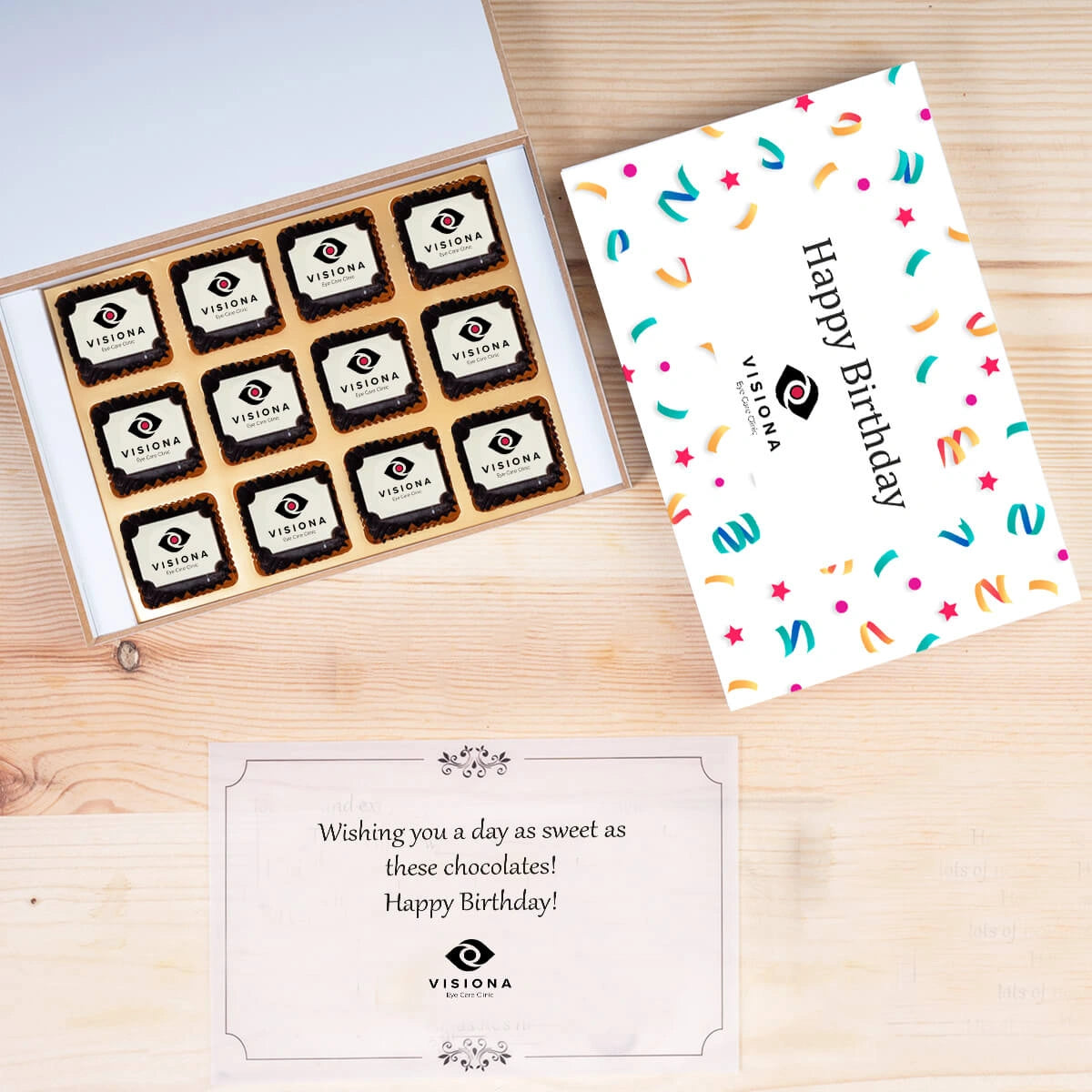
Case Studies: How D2C Brands Are Winning Customer Loyalty with Birthday Gifting
Explore Birthday GiftingKey Takeaways
-
-
Birthday gifting works best as a retention strategy, not a promotion. Case studies consistently show higher long-term loyalty when brands focus on emotional connection instead of discounts.
-
Personalization at the product level matters more than value. Customers remember gifts with their name or message far longer than higher-value but generic incentives.
-
Automation enables scale without losing warmth. CRM-triggered birthday gifting ensures perfect timing while maintaining a human, thoughtful experience.
-
Physical gifts create stronger brand recall than digital-only rewards. Packaging, unboxing, and tangibility significantly influence memory and social sharing.
-
ROI from birthday gifting compounds over time. The real impact appears in repeat purchases, reviews, referrals, and reduced churn—not just birthday-week sales.
-
Birthdays are deeply personal moments. Brands that understand this don’t just send automated wishes—they build emotional relationships that last far beyond a single transaction.
In today’s crowded D2C landscape, customer acquisition costs continue to rise while attention spans shrink. Discount emails get ignored. Push notifications are silenced. Loyalty points blur into background noise. Yet one moment consistently breaks through the clutter: a customer’s birthday.
Forward-thinking D2C brands have realized that birthday gifting is no longer a “nice to have.” It is a strategic retention tool. When executed thoughtfully, birthday gifting creates emotional resonance, improves brand recall, and increases repeat purchases weeks or even months after the celebration.
This is precisely why birthday gifting case studies are gaining traction among growth leaders, retention marketers, and founders. These case studies reveal how brands use personalization, automation, premium packaging, and emotional storytelling to transform one calendar date into a long-term loyalty driver.
In this blog, we explore how D2C brands in India are nailing birthday gifting—what works, what doesn’t, and how businesses can replicate these strategies using scalable corporate gifting solutions such as personalized chocolates presented in elegant keepsake boxes. If you are evaluating premium birthday gifts for customers, this guide will help you think beyond generic discounts and predictable vouchers.
Build a gifting experience—combine logo chocolates with festive hampers for maximum impact. Read more →
Why Birthday Gifting Matters in D2C
D2C brands are built on repeat customers, not one-time buyers. Unlike traditional retail models, the lifetime value of a D2C customer grows through continuous engagement—emails, WhatsApp nudges, loyalty programs, subscription reminders, and increasingly, meaningful gifting moments.
Birthdays sit at the powerful intersection of data, emotion, and timing.
From a data standpoint, most brands already collect customer birthdates during account creation, loyalty enrollment, or onboarding. From an emotional standpoint, birthdays are universally positive and deeply personal occasions. From a timing perspective, they offer a natural, non-sales-driven reason to reach out without appearing intrusive.
According to McKinsey’s research on personalization, brands that tailor experiences based on individual customer data consistently outperform peers on engagement and retention. Birthday gifting fits squarely into this personalization playbook.
In the Indian market especially, customers place high value on tangible gestures. A thoughtfully packaged physical gift often feels more premium than a digital coupon of equivalent monetary value. This is where customized birthday gifting—such as chocolates printed with names or messages—creates a meaningful differentiation.
When birthday gifting is aligned with CRM workflows and lifecycle marketing, it evolves from a one-off campaign into a repeatable retention system.
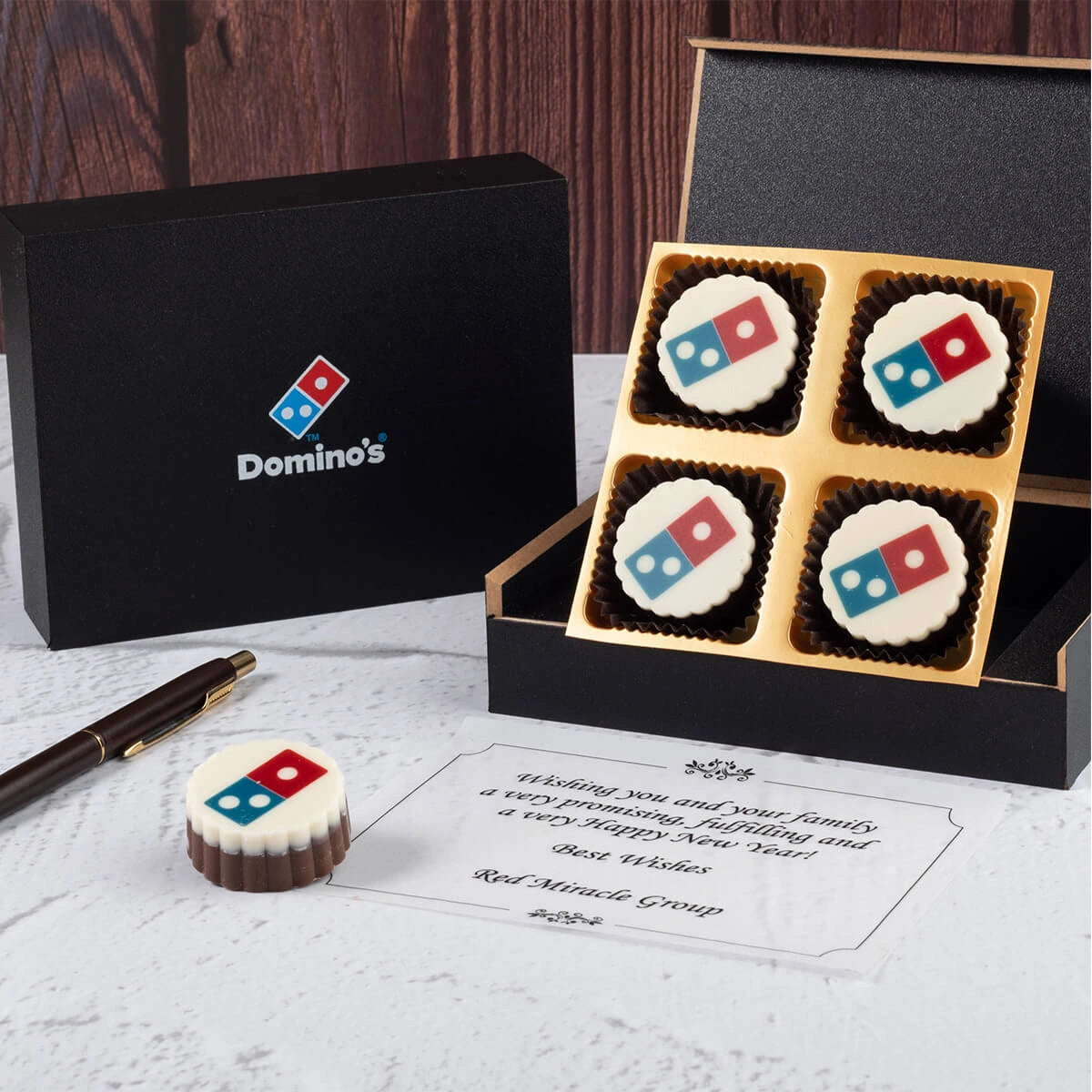
4 Piece Premium Client Gift Box
A compact yet elegant chocolate box designed for exclusive corporate gifting.
See CollectionThe Core Opportunity: Moving from Discounts to Emotional Loyalty
Despite its potential, many brands still approach birthdays with a transactional mindset. A standard discount code is sent, an automated email fires, and the interaction ends.
The problem is simple: discounts train customers to wait, not remember.
Research published by Harvard Business Review highlights that emotional connection—not rational incentives—is the primary driver of long-term customer loyalty. Customers who feel emotionally connected are more likely to repurchase, recommend the brand, and remain loyal even when competitors offer lower prices.
Birthday gifting reframes the relationship in three important ways:
- It feels personal rather than promotional
- It creates a physical memory linked to the brand
- It extends engagement well beyond the birthday itself
Unlike discounts that disappear after redemption, a physical birthday gift stays present—on desks, dining tables, or social media feeds. This explains why brands investing in emotional birthday gifting consistently see higher recall and loyalty than those relying purely on incentives.
This emotional dimension is explored in detail in emotional birthday gifting strategies, which break down why customers remember gestures far longer than offers.
Key Pillars Behind Successful D2C Birthday Gifting
Across multiple birthday gifting case studies, several foundational pillars repeatedly emerge. Brands that succeed rarely rely on a single tactic—they design an experience.
Personalization at the Product Level
High-performing D2C brands personalize more than just the birthday message. They personalize the gift itself. Names, short messages, brand colours, or even photos printed directly on products increase emotional attachment and memorability.
Printed chocolates are a strong example of this approach. A customer may forget an email, but seeing their name printed on a premium chocolate leaves a lasting impression.
Automation Without Losing Warmth
Scalability is critical. The most effective birthday gifting programs are integrated into CRM systems that trigger gifts automatically while preserving a human tone.
This balance between automation and warmth ensures accuracy, consistency, and scale without sounding robotic. Brands exploring this approach often rely on frameworks outlined in automated birthday gifting.
Packaging That Signals Premium Value
Packaging shapes first impressions. Birthday gifting case studies consistently show that customers judge the brand before they even see the gift.
Premium boxes, especially reusable or keepsake formats, elevate perceived value and encourage social sharing. Brands that invest in presentation consistently outperform those that ship gifts in generic courier packaging. This insight is detailed further in birthday gift packaging best practices.
Thoughtful, Human Messaging
The message accompanying the gift matters as much as the gift itself. Customers respond best to warmth, gratitude, and authenticity rather than overt selling.
Effective birthday messaging guidelines and examples are outlined in birthday gift message ideas.
Post-Birthday Engagement Loop
Successful birthday gifting does not end on the birthday. Brands that close the loop follow up with feedback requests, review prompts, or gentle reactivation messages.
This transforms birthday gifting into a lifecycle marketing touchpoint rather than a standalone event, as explained in reactivating customers with birthday gifts.
Focus on gifts that strengthen engagement: personalized chocolates boost brand recall and retention. Read more →
Data, Research, and Real-World Birthday Gifting Case Studies
When brands evaluate birthday gifting, the most persuasive evidence comes not from theory but from real-world performance. Across multiple birthday gifting case studies in the D2C ecosystem, one pattern is unmistakable: emotional, personalized gifting consistently outperforms transactional rewards.
A premium skincare D2C brand tested two birthday campaigns across comparable customer cohorts. One group received a standard birthday discount code via email. The other group received a personalized physical birthday gift delivered within their birthday week, accompanied by a warm, non-promotional message.
The outcomes were revealing. Customers who received the physical birthday gift demonstrated higher engagement, increased social media mentions, and stronger repeat purchase behavior over the following two months. While the discount-driven cohort showed short-term redemption activity, long-term engagement remained significantly lower.
This aligns closely with insights from Shopify’s customer retention research, which emphasizes that customers are more likely to remain loyal when they feel recognized rather than rewarded.
Another birthday gifting case study comes from a subscription-based D2C brand that embedded birthday gifting into its CRM workflows. Instead of relying solely on automated birthday emails, the brand triggered a surprise gift shipment based on customer birthdates stored in its CRM.
The result was a measurable improvement in customer satisfaction scores, a noticeable increase in post-birthday reviews, and a reduction in churn among mid-tier customers. According to McKinsey’s personalization insights, data-led personalization initiatives such as these are among the strongest drivers of long-term engagement.
Across these birthday gifting case studies, one lesson stands out clearly: when gifting feels thoughtful and timely, customers respond with loyalty rather than transactional behavior.
Understanding Birthday Gifting ROI Beyond Immediate Sales
One of the most common questions decision-makers ask is whether birthday gifting delivers measurable returns. The answer depends on how ROI is defined and measured.
Unlike promotional campaigns designed for immediate conversions, birthday gifting ROI should be evaluated across multiple engagement and retention indicators. Leading D2C brands rarely judge success based on birthday-week revenue alone.
Instead, birthday gifting case studies reveal that brands track metrics such as repeat purchase rate within 30 to 90 days, changes in average order value, customer review submissions, referral activity, and reactivation of dormant users.
Research from Harvard Business Review reinforces this approach, noting that retaining existing customers is significantly more cost-effective than acquiring new ones. Birthday gifting operates squarely within this retention-first framework.
Brands that replace or supplement birthday discounts with personalized physical gifts often observe lower incentive leakage and higher emotional engagement. Customers perceive the gesture as a gift rather than a marketing expense, which changes how they interact with the brand afterward.
A deeper breakdown of how to measure and forecast performance is explored in birthday gifting ROI frameworks, where long-term value is prioritized over short-term redemption.
The key insight from birthday gifting case studies is that ROI compounds over time. The emotional goodwill generated on a customer’s birthday often translates into repeat engagement across multiple future purchase cycles.
Premium Corporate Gifts with Logo Chocolates
Make a lasting impression on clients and employees with personalized chocolate gift boxes that reflect your brand.
Explore NowHow D2C Brands Execute Birthday Gifting at Scale
Successful birthday gifting is not improvised. The most effective D2C brands treat it as an operational system embedded within their lifecycle marketing strategy.
The first step involves customer segmentation. Brands identify which customer groups should receive which level of gifting based on lifetime value, frequency of purchase, or subscription status. This ensures sustainability while maintaining relevance.
The second step is CRM integration. Birthday gifting is triggered automatically through CRM or marketing automation platforms, ensuring accurate timing and consistency. Brands looking to operationalize this approach often rely on structures discussed in CRM-driven birthday gifting strategies.
The third step focuses on gift selection. Birthday gifting case studies repeatedly show that products allowing name or message customization outperform generic merchandise. Personalized gifts feel intentional rather than mass-produced.
This is where premium customizable products such as printed chocolates become particularly effective. They combine personalization, visual appeal, and ease of fulfillment, making them suitable for scale. Examples of such use cases are highlighted in printed birthday chocolate gifting.
Timing is the fourth critical factor. Successful brands ensure gifts arrive close to the birthday date rather than weeks later. The emotional impact diminishes rapidly when timing is off.
Finally, high-performing brands close the loop after the birthday. They request feedback, invite reviews, or gently reintroduce the customer to relevant products. This transforms birthday gifting into a continuous engagement cycle rather than a single touchpoint.
Emerging Trends and Expert Insights in Birthday Gifting
Birthday gifting is evolving from an isolated marketing tactic into a core retention capability. Several trends consistently emerge across birthday gifting case studies.
One key trend is hyper-personalization. Brands increasingly use CRM and purchase history data to tailor not only the gift but also the messaging and timing.
Another trend is the shift toward premium, minimalistic gifting. Rather than overwhelming customers with branded merchandise, D2C brands are choosing fewer, better-designed items that reflect brand values.
Social sharing has also become a major factor. Unboxing experiences shared organically by customers amplify the reach of birthday gifting far beyond the individual recipient.
According to Statista’s analysis of India’s D2C ecosystem, consumer expectations around personalization and experience are steadily increasing, particularly among urban and digitally native audiences.
Experts predict that physical gifting will continue to gain importance as brands seek differentiation in an increasingly crowded digital environment. Experiences that can be touched, shared, and remembered are becoming central to brand loyalty.
Compare vendors by product range, customization, logistics, and feedback before choosing. Read more →
Conclusion
The most compelling birthday gifting case studies demonstrate that birthdays are not promotional moments. They are relationship milestones.
D2C brands that approach birthday gifting with intention, personalization, and operational discipline build deeper emotional connections and stronger long-term retention. The combination of thoughtful gifting, premium presentation, CRM-driven automation, and post-birthday engagement consistently delivers results.
For organizations exploring scalable implementation, structured solutions showcased under corporate gifts for customers demonstrate how premium personalization can be executed without operational complexity.
In a competitive D2C landscape, the brands customers remember are those that remember them first—especially on their birthday.
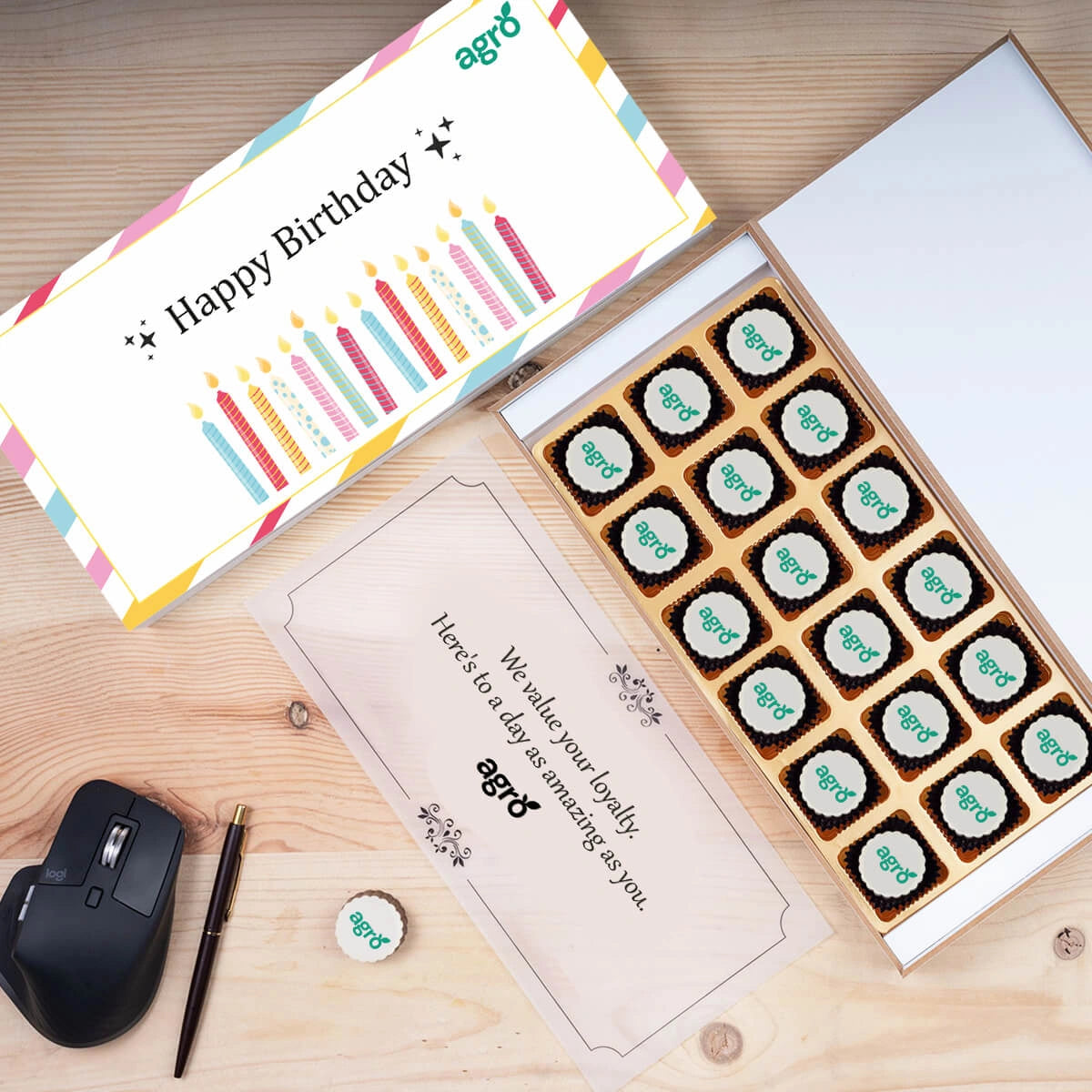
18 Piece Premium Client Gift Box
A compact yet elegant chocolate box designed for exclusive corporate gifting.
See CollectionKey Information
| Aspect | What Top D2C Brands Do | Why It Works |
|---|---|---|
| Birthday Trigger | Use CRM-based automation | Ensures timely, consistent execution |
| Gift Type | Personalized physical gifts | Feels thoughtful and memorable |
| Messaging | Warm, non-promotional tone | Builds emotional trust |
| Packaging | Premium, keepsake-style boxes | Elevates perceived brand value |
| ROI Measurement | Track retention & repeat purchase | Reflects true long-term impact |
| Post-Birthday Action | Reviews & reactivation nudges | Extends engagement lifecycle |
Frequently Asked Questions (FAQs)
1. Does birthday gifting really improve customer loyalty for D2C brands?
Yes, birthday gifting improves loyalty when it feels personal rather than promotional. Case studies show that customers who receive thoughtful birthday gifts are more likely to repurchase, leave reviews, and recommend the brand compared to those who only receive discount codes or generic messages.
2. Is birthday gifting better than offering birthday discounts?
In most cases, yes. Discounts create short-term transactions, while birthday gifting builds emotional connection. Customers tend to remember physical, personalized gifts longer, leading to stronger brand recall and higher lifetime value than one-time discount redemptions.
3. What type of birthday gift works best for customers?
Personalized gifts perform best—especially those with names, messages, or thoughtful packaging. Items like customized chocolates or curated gift boxes feel intentional and celebratory, making customers feel genuinely valued rather than marketed to.
4. How do D2C brands automate birthday gifting at scale?
Brands integrate birthday gifting with their CRM or marketing automation tools. Birthdates trigger gifting workflows automatically, ensuring gifts are sent on time while maintaining consistency across customer segments without manual effort.
5. How should birthday gifting ROI be measured?
Birthday gifting ROI should be measured beyond immediate sales. Brands track repeat purchases, customer retention, reviews, referrals, reactivation rates, and changes in average order value over the months following the birthday.
6. Is birthday gifting suitable for all customer segments?
Not necessarily. Most brands segment customers by lifetime value or engagement level. High-value or repeat customers may receive premium gifts, while others receive lighter gestures—ensuring the strategy remains sustainable and cost-effective.
7. Why is physical birthday gifting more effective than digital rewards?
Physical gifts create tangible memories. Customers interact with them, share them, and associate them with positive emotions. Digital rewards, while convenient, are often forgotten once redeemed and rarely generate emotional recall.
8. How important is packaging in birthday gifting?
Packaging is extremely important. Case studies show that customers often judge the brand before seeing the gift itself. Premium packaging enhances perceived value and increases the likelihood of social sharing and positive brand association.
9. When should a birthday gift be delivered for maximum impact?
Timing is critical. Gifts should arrive on or just before the birthday. Late deliveries reduce emotional impact and can make the gesture feel transactional rather than thoughtful.
10. What should brands do after sending a birthday gift?
The best brands follow up. They thank the customer, request feedback or reviews, and gently reintroduce relevant products. This post-birthday engagement turns gifting into a full lifecycle touchpoint instead of a one-off action.
