

7 D2C Brands That Mastered the Art of Thank You Gifting (With Real Case Studies)
7 D2C Brands That Mastered the Art of Thank You Gifting (With Real Case Studies)
Explore Thank You GiftsKey Takeaways
-
Thank you gifting works best after commitment, not before it. Post-purchase or post-interaction gifts feel genuine and build stronger emotional recall than upfront freebies.
-
Emotion beats discounts in long-term loyalty. D2C thank you gift case studies consistently show higher repeat intent when brands focus on gratitude rather than price cuts.
-
Consumable, personalised gifts outperform generic swag. Chocolates and edible gifts create sensory memory without adding clutter, making them ideal for both D2C and corporate gifting.
-
Packaging and messaging matter as much as the gift itself. Thoughtful presentation and sincere thank-you notes elevate perceived brand value.
-
Corporate buyers can directly replicate D2C gifting strategies. Post-event, post-meeting, and post-purchase gifting drives stronger recall than on-the-spot giveaways.
The moment after a customer places an order is strangely quiet.
Most brands stop talking. The customer waits. And a massive emotional opportunity slips by unnoticed.
But some D2C brands treat this post-purchase silence as their loudest branding moment. Instead of limiting communication to transactional order confirmations, they use thoughtful thank you gifts—small, intentional gestures that turn first-time buyers into emotionally invested customers.
These are not freebies. They are not giveaways designed to push another sale. They are carefully designed touchpoints that sit at the intersection of gratitude, memory, and brand experience.
Thank you gift case studies across D2C categories consistently show that customers remember how a brand made them feel after the payment was complete. A well-timed thank you gift can outperform discounts, strengthen brand recall, and quietly build long-term loyalty—especially in highly competitive markets like India.
For businesses investing in corporate giveaway gifts for customers, these D2C strategies offer a powerful blueprint. Whether it’s a premium chocolate box, a personalised note, or a thoughtfully designed keepsake package, gifting creates emotional stickiness that advertising alone cannot achieve.
In this blog, we break down how D2C brands mastered thank you gifting, why these strategies work, and how the same principles can be applied to corporate and B2B gifting—especially in exhibitions, promotions, and post-purchase customer appreciation.
Build a gifting experience—combine logo chocolates with festive hampers for maximum impact. Read more →
Why Thank You Gifting Matters in the Modern D2C Landscape
The rise of D2C brands fundamentally changed customer expectations.
Fast delivery, easy returns, and frictionless checkout are no longer differentiators. They are basic requirements. What truly separates brands today is the quality of experience after checkout—the moment when the transaction is complete, but the relationship has just begun.
Research published by Harvard Business Review shows that customers who feel emotionally connected to a brand are significantly more valuable than those who are merely satisfied. Emotional connection drives repeat purchases, advocacy, and long-term brand preference.
Thank you gifting sits precisely at this emotional intersection.
In India’s fast-growing D2C ecosystem, brands face rising acquisition costs, intense competition, and shrinking attention spans. Smart brands respond by investing in post-purchase experiences where a small but meaningful thank you gift can:
- Reinforce brand values beyond marketing claims
- Trigger reciprocity bias and positive sentiment
- Increase repeat purchase intent without discounts
- Spark organic word-of-mouth and social sharing
According to ecommerce insights, retaining an existing customer costs significantly less than acquiring a new one. Yet many brands continue to allocate the bulk of their budgets to pre-purchase advertising while neglecting the post-purchase moment entirely.
This is where thank you gifting stands out—not as an expense, but as relationship capital.
Premium Corporate Gifts with Logo Chocolates
Make a lasting impression on clients and employees with personalized chocolate gift boxes that reflect your brand.
Explore NowThe Core Opportunity: Moving from Transactional to Emotional Branding
Most brands communicate aggressively before the sale and go silent immediately after.
Emails stop. Messages end. The relationship pauses.
This silence is costly.
Customers who feel processed rather than appreciated are far less likely to return. On the other hand, customers who receive a genuine thank you—especially in physical form—often remember the brand long after the product itself has been consumed.
Thank you gifting reframes the post-purchase moment from logistics to emotion.
Instead of a purely functional message like “Your order has been shipped,” the brand communicates something deeper: “You mattered enough for us to say thank you properly.”
Across multiple thank you gift case studies, three consistent outcomes emerge:
- Higher brand recall: Customers remember brands that surprise them after payment
- Stronger repeat intent: Gratitude creates psychological obligation and goodwill
- Premium positioning: Thoughtful gifting elevates perceived brand value
This explains why many D2C brands are moving away from generic flyers and discount inserts toward customised messages, premium packaging, and consumable gifts that engage the senses.
The underlying psychology is explored in depth in the psychology behind thank you gifts, which explains how gratitude influences memory and behaviour.
Focus on gifts that strengthen engagement: personalized chocolates boost brand recall and retention. Read more →
Key Pillars That Define Successful Thank You Gifting
While formats vary, every successful thank you gifting strategy rests on a few consistent pillars.
Timing beats value. The most effective gifts arrive after commitment, not before. Post-purchase gifting feels authentic because it is not tied to persuasion.
Personalisation creates memory. A simple name, a contextual message, or a relevant occasion often matters more than the cost of the gift itself.
Sensory experience matters. Physical, edible gifts—especially chocolates—activate taste, touch, and emotion simultaneously, creating stronger memory anchors.
Packaging acts as a silent communicator. The unboxing experience signals care, attention, and brand intent. Brands that invest in thoughtful presentation are perceived as premium.
Practical inspiration can be found in packaging ideas for thank you gifts, which highlights how structure and design influence perception.
Subtle branding wins. Over-branding reduces emotional impact. Discreet logos, gentle messaging, and elegant presentation feel more respectful and memorable.
This is where customised consumables like printed chocolates naturally fit into modern gifting strategies—visible without being intrusive, branded without being promotional.
Why These D2C Lessons Matter for Corporate Gifting Buyers
The same principles that work for D2C brands apply directly to corporate gifting for exhibitions, events, promotions, and customer appreciation.
Corporate buyers often focus on visibility—logos, reach, quantities. D2C brands focus on emotion, timing, and memory. The most effective gifting strategies combine both.
For example, instead of distributing generic merchandise at a booth, brands increasingly follow up with a post-event thank you gift that reinforces the interaction. This approach mirrors D2C post-purchase gifting and leads to significantly higher recall.
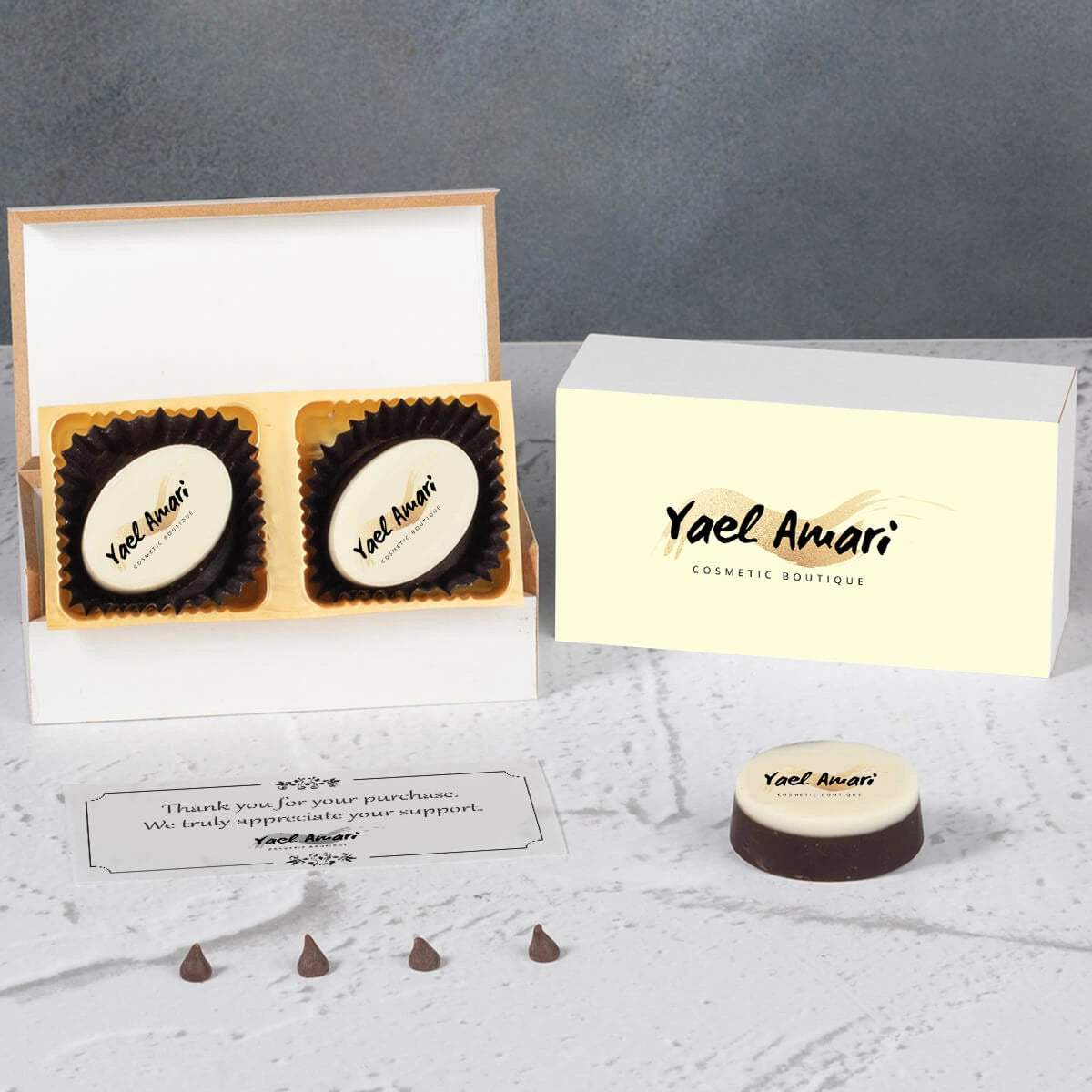
Solutions such as thank you for your purchase gifts demonstrate how structured, premium gifting formats can scale across corporate use cases without losing emotional value.
Ultimately, the lesson from D2C thank you gift case studies is clear: gratitude works best when it feels human, timely, and thoughtfully designed.
In the next section, we move from principles to proof—examining real patterns, data, and case-study-driven approaches that brands use to turn thank you gifting into a measurable loyalty lever.
9 Logo Chocolates Box
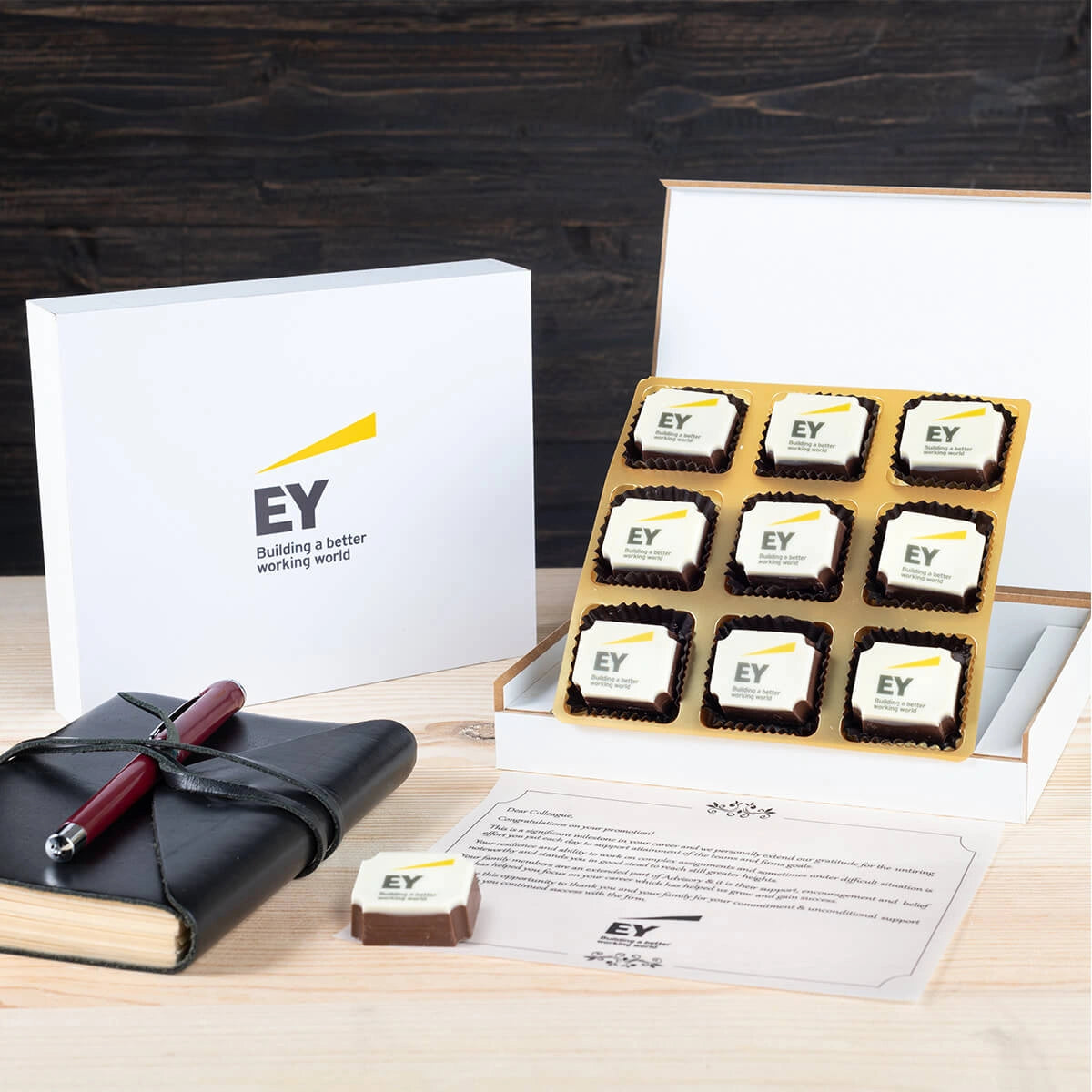
An impressive assortment of nine custom logo chocolates for premium gifting.
Explore OptionsData, Research, and Real-World Thank You Gift Case Study Patterns
Now that we understand the principles behind effective thank you gifting, it is important to examine how these strategies perform in the real world.
Across multiple industries, thank you gift case studies reveal a consistent pattern: customers remember brands that acknowledge them after the transaction far more vividly than those that simply fulfill an order and move on.
Research from Shopify’s customer retention insights highlights that repeat customers not only convert faster, but also spend more per transaction and require lower re-engagement costs. This makes the post-purchase phase one of the most valuable moments in the entire customer journey.
Similarly, analysis published by McKinsey on personalization confirms that brands that tailor experiences to individuals consistently outperform those that rely on generic messaging. Thank you gifting functions as one of the simplest and most effective forms of personalisation.
From a customer experience perspective, MIT Sloan Management Review explains that moments which exceed expectations create disproportionately strong memory. A thank you gift delivered after purchase does exactly that—it arrives when the customer expects nothing more.
These findings reinforce a critical insight: thank you gifting is not about the object itself, but about the emotional disruption it creates.
Compare vendors by product range, customization, logistics, and feedback before choosing. Read more →
Seven Proven Thank You Gifting Approaches Used by Successful D2C Brands
While individual executions vary, most successful D2C thank you gift case studies fall into seven repeatable approaches. These approaches offer direct inspiration for corporate gifting buyers.
1. Thank You Gifts for First-Time Buyers
Many D2C brands focus their gifting efforts on first-time customers. The goal is not immediate upselling, but reassurance and trust-building.
A small thank you gift included with the first order reduces post-purchase anxiety and signals that the brand values the relationship beyond the transaction. This approach often leads to higher second-order conversion.
This concept is explored further in thank you gifts for first-time buyers.
Corporate takeaway: Use thank you gifts after the first meeting, first order, or first successful collaboration—not before.
2. Premium Unboxing for High-Value Customers
D2C brands frequently reserve enhanced packaging and gifting experiences for high-value orders. The objective is to justify premium pricing and reinforce exclusivity.
High-quality materials, structured boxes, and restrained branding communicate attention and care. Customers interpret this as a signal of long-term brand intent.
This same logic applies directly to corporate gifts designed for key accounts, long-term clients, or senior stakeholders.
3. Post-Delivery Surprise Thank You Gifts
Some of the most powerful thank you gift case studies involve gifts sent after delivery, rather than inside the original package.
This delayed surprise significantly amplifies emotional impact because it breaks customer expectations. The brand appears thoughtful rather than transactional.
Brands using this approach often see strong social sharing and unsolicited reviews. The experience is explained in surprise thank you gifts and brand experience.
4. Budget-Friendly but Thoughtful Thank You Tokens
Not every brand relies on premium gifting. Many high-performing D2C brands use small, cost-effective items paired with sincere messaging.
The key is relevance and intention. Customers value authenticity far more than monetary value.
Examples of this approach can be found in budget-friendly thank you gifts for customers.
5. Personalised and Shareable Gifts
Personalisation remains one of the strongest drivers of thank you gift success.
D2C brands frequently personalise gifts using names, order references, or occasion-specific messages. This increases emotional engagement and encourages customers to share the experience with others.
Consumables such as customised chocolates are particularly effective because personalisation feels natural rather than promotional.
6. Thank You Gifting Linked to Reviews and Feedback
Several brands use thank you gifting to support post-purchase feedback rather than incentivising it upfront.
Customers are more likely to leave genuine reviews after experiencing gratitude than after being offered discounts. This builds trust and long-term credibility.
This approach is discussed in post-purchase gifting and customer reviews.
7. Occasion-Based Thank You Gifting
D2C brands frequently align thank you gifts with festivals, milestones, or reorder moments.
For corporate buyers, this translates naturally into seasonal and event-based gifting such as corporate Diwali gifts or New Year and Christmas gifts for corporates.
How Corporate Buyers Can Apply These D2C Gifting Lessons
The lessons from D2C thank you gift case studies are directly applicable to exhibitions, trade shows, and promotional campaigns.
First, shift the timing. Instead of gifting at the booth or during the pitch, follow up with a thank you gift after the interaction. This increases recall and perceived sincerity.
Second, choose consumable formats. Consumables eliminate clutter, ensure acceptance, and create sensory memory. Structured options like thank you for your purchase gifts are designed for this purpose.
Third, scale intelligently. Different relationships require different gifting depths. Modular gifting formats make it easy to align cost with opportunity.
Finally, keep branding subtle. A thank you gift should feel like appreciation first and branding second. This principle is central to building a premium brand with thank you gifts.
4 Piece Premium Client Gift Box
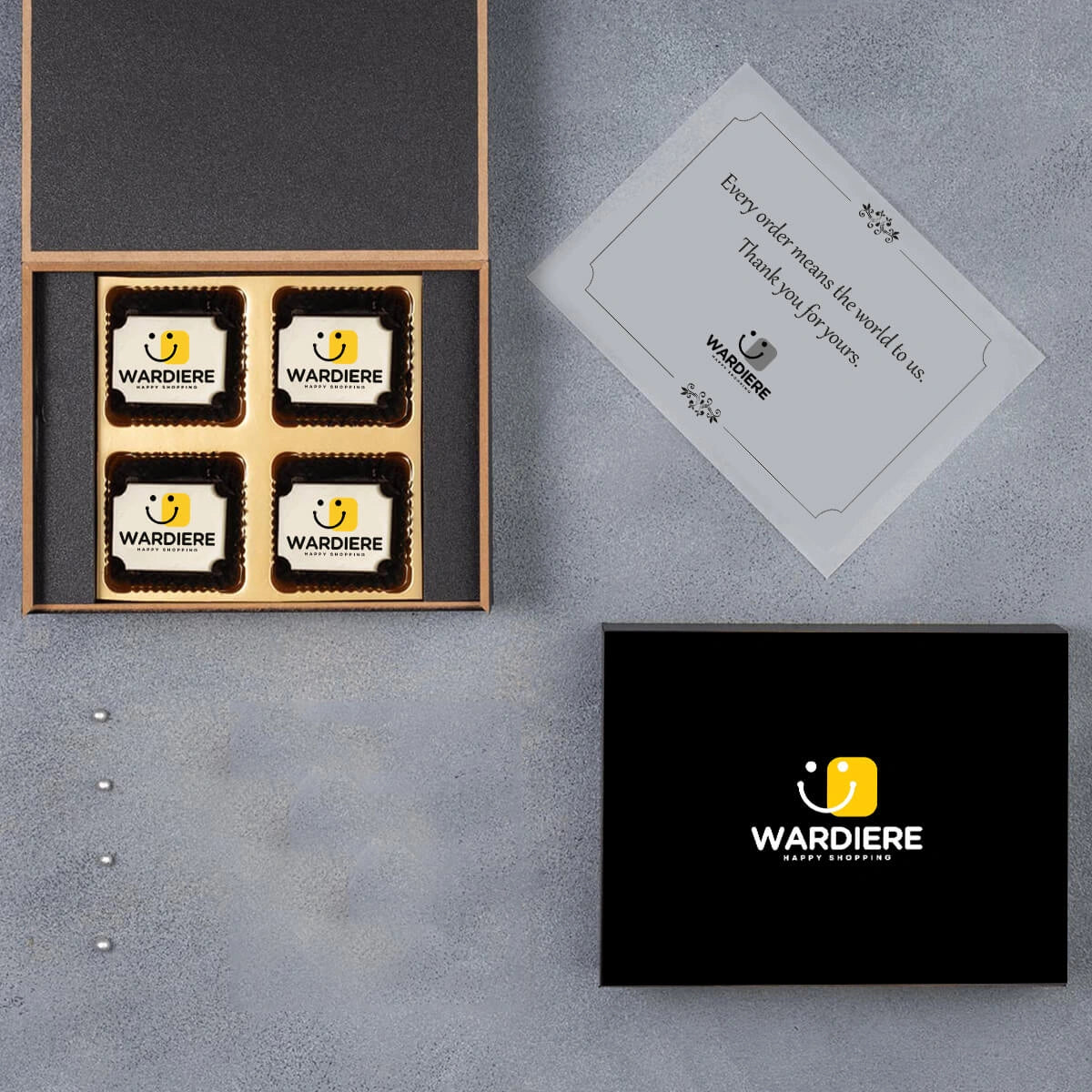
A compact yet elegant chocolate box designed for exclusive corporate gifting.
See CollectionConclusion
The most effective thank you gift case studies prove that gratitude scales when executed thoughtfully.
D2C brands have demonstrated that thank you gifting strengthens emotional loyalty, improves brand recall, and reduces reliance on discounts.
For corporate buyers planning exhibitions, events, or customer engagement campaigns, these lessons offer a clear roadmap. Move beyond generic giveaways and focus on post-interaction gratitude that feels human, timely, and intentional.
When thank you gifting is treated as a strategic experience rather than a transactional add-on, it becomes one of the most powerful tools for long-term relationship building.
Key Information
| Aspect | What D2C Brands Do | What Corporate Buyers Should Do |
|---|---|---|
| Timing | Gift after purchase or delivery | Gift after meetings, orders, or events |
| Gift Type | Consumable, clutter-free items | Edible, easy-to-accept gifts |
| Personalisation | Names, messages, order context | Custom notes, branded messages |
| Packaging | Premium, experience-driven | Elegant boxes, subtle branding |
| Objective | Loyalty and recall | Relationship building and follow-ups |
| Budget Strategy | Intent over price | Tiered gifting by lead value |
Frequently Asked Questions (FAQs)
1. Do thank you gifts actually increase repeat purchases?
Yes. Thank you gift case studies show that customers who feel appreciated after purchase are more likely to return. Gratitude triggers reciprocity and emotional memory, which often leads to repeat buying without the need for discounts or remarketing pressure.
2. Aren’t thank you gifts an extra cost for brands?
They are an investment, not a cost. Compared to discounts or paid ads, thank you gifts often deliver better long-term ROI by improving retention, brand recall, and word-of-mouth, especially when used selectively and strategically.
3. What makes a thank you gift feel genuine and not promotional?
Timing and intent. Gifts sent after the transaction, paired with a sincere message and subtle branding, feel like appreciation rather than marketing. Over-branding or tying gifts to upsells reduces authenticity.
4. Why do consumable gifts perform better than merchandise?
Consumables don’t create clutter, are easy to accept, and engage the senses. Chocolates, in particular, create taste-based memory and are often shared, extending brand reach organically.
5. Can thank you gifting work for exhibitions and trade shows?
Yes, especially when done post-event. Sending a thank you gift after a meeting or demo reinforces the interaction far more effectively than handing out generic swag at the booth.
6. How important is personalisation in thank you gifting?
Extremely important. Even simple personalisation like a name or context-specific message dramatically increases emotional impact and recall compared to generic thank-you notes.
7. Should every customer receive a thank you gift?
Not necessarily. Many D2C brands gift selectively to amplify surprise and control costs. Corporate buyers can apply the same logic by prioritising high-value leads or key clients.
8. Do thank you gifts help with brand positioning?
Yes. Thoughtful gifting signals care, attention, and premium intent. Customers often associate the quality of the gift with the quality of the brand itself.
9. How do thank you gifts compare to discount codes?
Discounts train customers to wait for price cuts. Thank you gifts build emotional loyalty and protect brand margins while still delivering perceived value.
10. What’s the biggest mistake brands make with thank you gifting?
Treating it as an afterthought. Rushed packaging, generic messages, or excessive branding undermine the experience. The best results come from intentional design, timing, and messaging.
